What Is Cyberchondria?
For therapists and mental health agencies, cyberchondria is an emerging issue that deserves proactive intervention.
In this connected world, knowledge is a double-edged sword—especially when it comes to our health. While the internet provides an unprecedented level of access to medical information, it also breeds a phenomenon known as cyberchondria—a modern-day mental health concern characterized by excessive online searching for medical information that leads to heightened health anxiety.
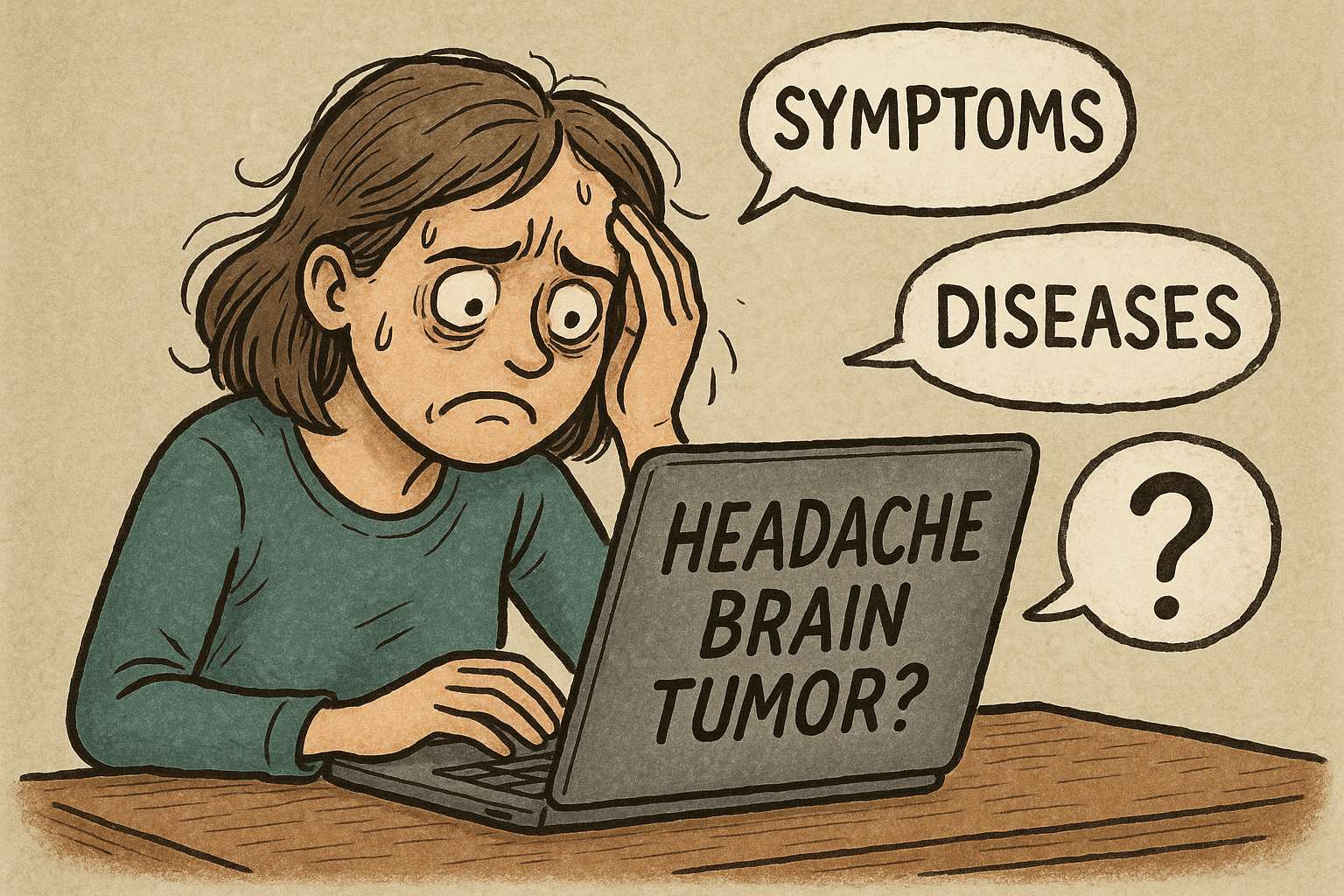
Sound familiar? That rabbit hole of Googling a mild headache only to convince yourself it’s a brain tumor? Yeah, you’re not alone.
What Is Cyberchondria?
Cyberchondria is the compulsive behavior of searching for health-related information online, which paradoxically amplifies anxiety instead of alleviating it. Unlike informed health research, cyberchondria spirals into obsessive checking, catastrophic conclusions, and overwhelming distress.
This behavior is linked closely to health anxiety, which is the persistent fear of having or developing a serious illness—even in the absence of symptoms or after medical reassurance.
The Digital Dilemma
With just a few clicks, anyone can access WebMD, Reddit forums, TikTok medical influencers, or health-related YouTube channels. While some information is credible, much of it isn’t contextualized for personal health history or proper diagnostics.
The issue? Your browser doesn’t provide a diagnosis—it provides infinite possibilities, most of which are worst-case scenarios.
Why Cyberchondria Happens:
- Information Overload: The internet doesn’t filter relevance; it floods you with options—many of which are sensational or inaccurate.
- Reassurance-Seeking: Individuals with health anxiety seek reassurance, but often the search itself becomes a stressor.
- Fear Amplification: Seeing serious illnesses appear in search results increases worry, leading to more searching—a vicious cycle.
- Mistrust in Healthcare: Some may turn to the web due to past negative healthcare experiences or lack of access to reliable care.
Signs You Might Be Experiencing Cyberchondria
Cyberchondria isn’t just about curiosity; it's obsessive. Here’s what it often looks like:
- Googling symptoms multiple times a day.
- Visiting numerous forums or health websites for “confirmation.”
- Believing online information over medical professionals.
- Feeling worse after online searches.
- Avoiding doctors due to fear of bad news—despite online obsession.
- Constant self-checking or body scanning for symptoms.
These behaviors create emotional distress, impact daily functioning, and can even affect relationships and work life.
Who’s Most Vulnerable?
Anyone can fall prey to cyberchondria, but it’s particularly common in:
- Individuals with generalized anxiety disorder (GAD).
- People prone to obsessive-compulsive tendencies.
- Those with a family history of health issues.
- Millennials and Gen Z, who are digital natives and often self-research driven.
- People in health-related fields, ironically enough, due to overexposure to medical content.
Mental Health Impact: The Real Cost
Health anxiety and cyberchondria aren't just mentally exhausting—they're physically draining too. Constant stress from perceived illness can cause real symptoms like:
- Insomnia
- Headaches
- Stomach issues
- Fatigue
- Panic attacks
It’s a self-fulfilling cycle—stress leads to physical symptoms, which leads to more Googling, which leads to more stress.
How Mental Health Professionals Can Help
For therapists and mental health agencies, cyberchondria is an emerging issue that deserves proactive intervention.
1. Cognitive Behavioral Therapy (CBT)
CBT remains the gold standard. It helps patients:
- Challenge irrational beliefs about health.
- Break the reassurance-seeking loop.
- Develop healthier coping mechanisms.
- Reduce compulsive behaviors.
2. Psychoeducation
Clients benefit greatly from learning about the anxiety cycle and how online behavior impacts it. Awareness is the first step toward change.
3. Digital Detox Guidance
Teaching structured “digital hygiene”—like limiting searches, setting boundaries with devices, and replacing screen time with mindfulness—can reduce compulsive behaviors.
4. Exposure Therapy
For some, gradual exposure to feared outcomes or health triggers (with therapist support) can desensitize anxiety responses.
Practical Tips for Those Struggling
If you're someone caught in the scroll of symptom-checking, here’s your cheat code to start reclaiming peace of mind:
- Time Your Searches: Limit symptom-checking to once a day, max, and for no longer than 10 minutes.
- Stick to Reputable Sources: Use government sites (like the CDC or NHS) over forums or unverified influencers.
- Talk to a Professional: A real conversation with a doctor is far more valuable than hours of conflicting online info.
- Practice Mindfulness: Anxiety lives in the future. Mindfulness brings you back to now—where no diagnosis exists.
- Journal Your Thoughts: Writing out your fears often clarifies what’s emotional versus what’s rational.
- Digital Sabbaticals: Consider one day a week without health content. Your brain will thank you.
Cyberchondria is the modern anxiety disorder we don’t talk about enough—but it’s affecting millions. The good news? It’s treatable. With the right strategies, education, and support, people can break free from the loop of obsessive Googling and reclaim trust in their minds and bodies.
As a mental health agency, your role isn’t just in treating cyberchondria—it’s in helping people recognize it, feel understood, and believe they can overcome it.
And that? That’s the ultimate healing click.
#Cyberchondria #HealthObsessions #SymptomGoogling #HealthAnxietySupport #AnxiousMind #CBTforAnxiety #DigitalMentalHealth #MentalHealthTherapy #OnlineAnxietyHelp #AnxietyRecoveryJourney