What to Know About Loneliness and Self-Harm
The goal isn’t to force the feeling away. It’s to ride the wave differently.
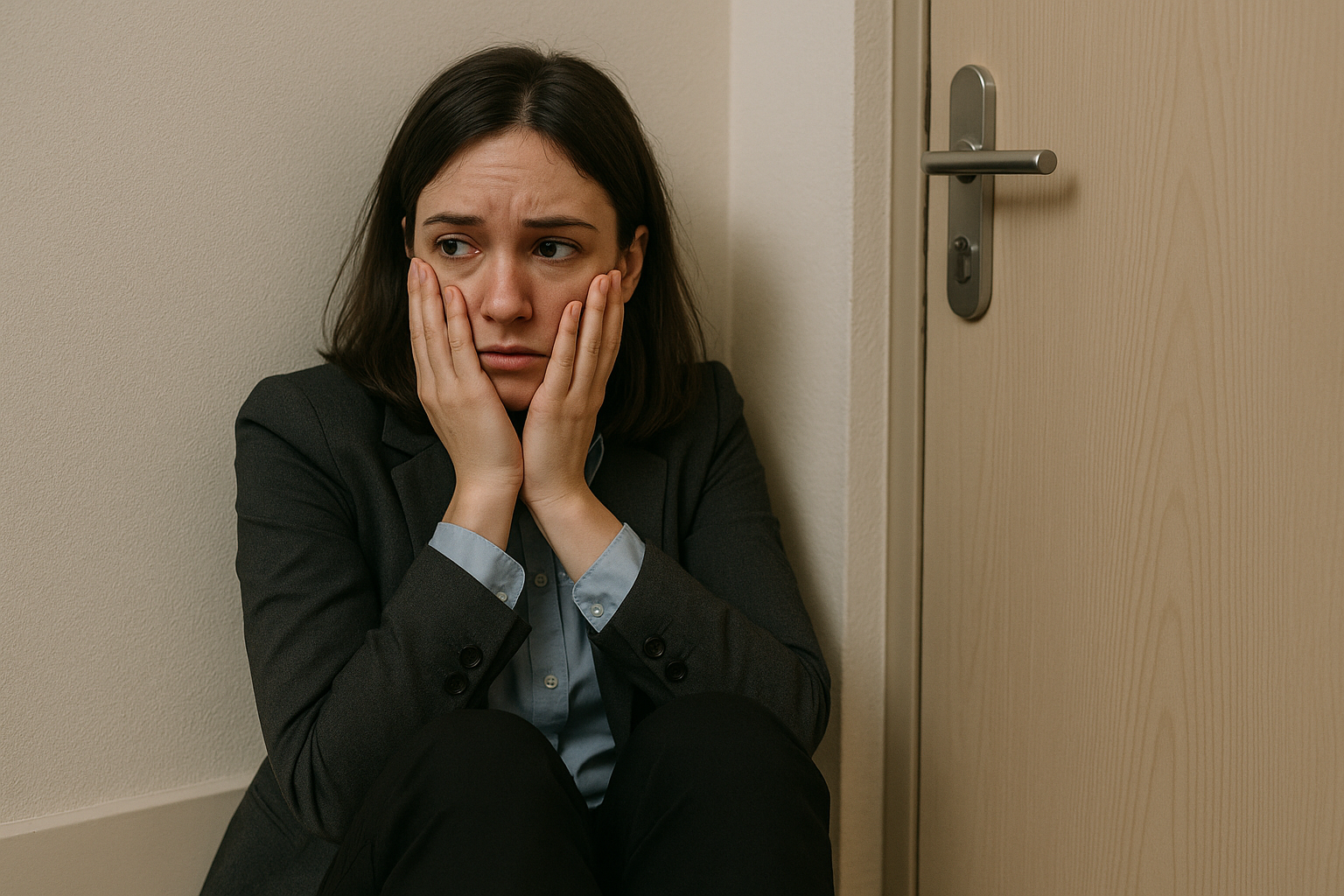
There are moments in life when the world feels like it’s spinning just fine for everyone else—while you’re stuck in a storm you can’t explain. Moments when you’re surrounded by people and still feel like you’re disappearing. When your chest is heavy with silence. When you wonder if anyone would notice if you just... weren’t there.
If you’ve felt that—if you’ve ever been that tired, that alone, that desperate—you’re not the only one.
More and more people are turning to Google, typing things like:
- “Why do I feel so alone even when I’m around people?”
- “I want to hurt myself but I don’t know why.”
- “How do I stop feeling like this?”
These aren’t just search terms. These are signals. Cries for understanding, comfort, escape. They’re proof that you’re far from alone in your pain—even when your mind insists that you are.
Let’s talk about it. For real.
What Is Loneliness, Really?
Loneliness isn’t just being alone. It’s feeling alone—even when you’re not.
It’s the gap between the connection you want and the connection you have. It’s the ache that grows when it feels like no one really sees you. When conversations stay surface-level. When people ask “how are you?” and you say “fine,” because you can’t find the words—or the courage—to say anything else.
And it’s not just in your head.
Loneliness physically affects your brain and body. It increases stress hormones, weakens your immune system, and literally hurts. Chronic loneliness can feel like grief. Like emptiness in your bones. Like floating in a world that keeps moving without you.
When Loneliness Turns Inward: Understanding Self-Harm
Sometimes that inner pain builds up so much, it spills over in a way that’s hard to explain—through self-harm.
Self-harm (also called non-suicidal self-injury or NSSI) means intentionally hurting yourself—cutting, scratching, burning, hitting—not because you want to die, but because you want to feel something... or feel nothing at all.
People self-harm for many reasons:
- To release emotional pain that feels too big
- To punish themselves when they feel like they’ve failed
- To stop feeling numb
- To regain a sense of control
Here’s the thing: self-harm doesn’t make you broken. It means you’ve been trying to cope in the best way you know how.
But there are other ways. Kinder ways. Safer ways.
If You’re Feeling This Way Right Now
First off: I see you.
And I want you to know—no matter what your mind is telling you—you’re not too much. You’re not a burden. You’re not weak.
You’re human.
You might be carrying wounds that no one else can see. You might be holding in tears during Zoom meetings. Laughing with friends while silently drowning. And maybe you’ve convinced yourself that no one would understand, or care, or stay if you opened up.
But here's a gentle truth: someone would care. Someone would stay.
The hardest part of pain is often the silence we wrap around it. But you don’t have to suffer quietly.
What You Can Do—Right Now
Here are a few things you can try if you’re feeling lost, overwhelmed, or on the edge:
1. Delay the Urge
If you feel the urge to self-harm, try pausing for 10 minutes. Set a timer. That space can be enough to shift the wave.
During that time, try:
- Putting your hands in ice water
- Scribbling as hard as you can on paper
- Taking a brisk walk or jog around the block
- Listening to one song that always calms you
The goal isn’t to force the feeling away. It’s to ride the wave differently.
2. Write It Out
Grab a notebook. Or your phone. Start with: “Right now I feel…” and let the words spill.
You don’t need to make sense. You don’t need to be poetic. Just get it out.
Sometimes, what we can’t say out loud needs a space to breathe.
3. Reach for a Human
This is the hardest one, I know. But text someone. Anyone.
It doesn’t have to be a dramatic confession. It could be:
- “Hey, can we talk?”
- “I’m having a rough time.”
- “Could you distract me for a bit?”
If no one feels safe right now, that’s okay. There are trained people you can talk to immediately:
- 988 Suicide & Crisis Lifeline — call or text 988
- Crisis Text Line — text HOME to 741741
You don’t have to explain everything. You just have to start.
Healing Is Messy (And That’s Okay)
No one heals in a straight line.
You might feel okay one day, then wrecked the next. You might stop self-harming for months and slip once—and that doesn’t mean you failed.
Healing looks like:
- Taking small steps
- Asking for help
- Feeling the feelings instead of stuffing them down
- Forgiving yourself on the hard days
You don’t have to have it all figured out. You just have to keep going.
What Help Actually Looks Like
You might imagine therapy as lying on a couch while a stranger judges you.
But in real life? It’s usually sitting with someone who just listens. Someone who reminds you that you’re not crazy, or doomed, or broken beyond repair.
Therapists don’t “fix” you. They walk beside you while you learn to understand and take care of yourself in new ways.
And if therapy feels out of reach, there are low-cost clinics, online programs, peer support apps, even Reddit communities that offer empathy and understanding.
You’re not out of options.
You Are Not Alone in This
Right now, millions of people—people you pass on the street, people you follow on Instagram, people in your own family—are searching for the same answers you are.
They feel what you feel. They’re asking the same questions. And they’re holding on, even when it’s hard.
You are not invisible. You are not weak for feeling pain. And you are not alone.
Even if it doesn’t feel like it yet—connection, healing, and peace are possible.
You matter.
📚 Quick Resources
- Text HOME to 741741 to reach the Crisis Text Line
- Call or text 988 for the Suicide & Crisis Lifeline
- To Write Love on Her Arms – real stories and support for mental health and self-injury
- Journaling: (track moods & notes privately)